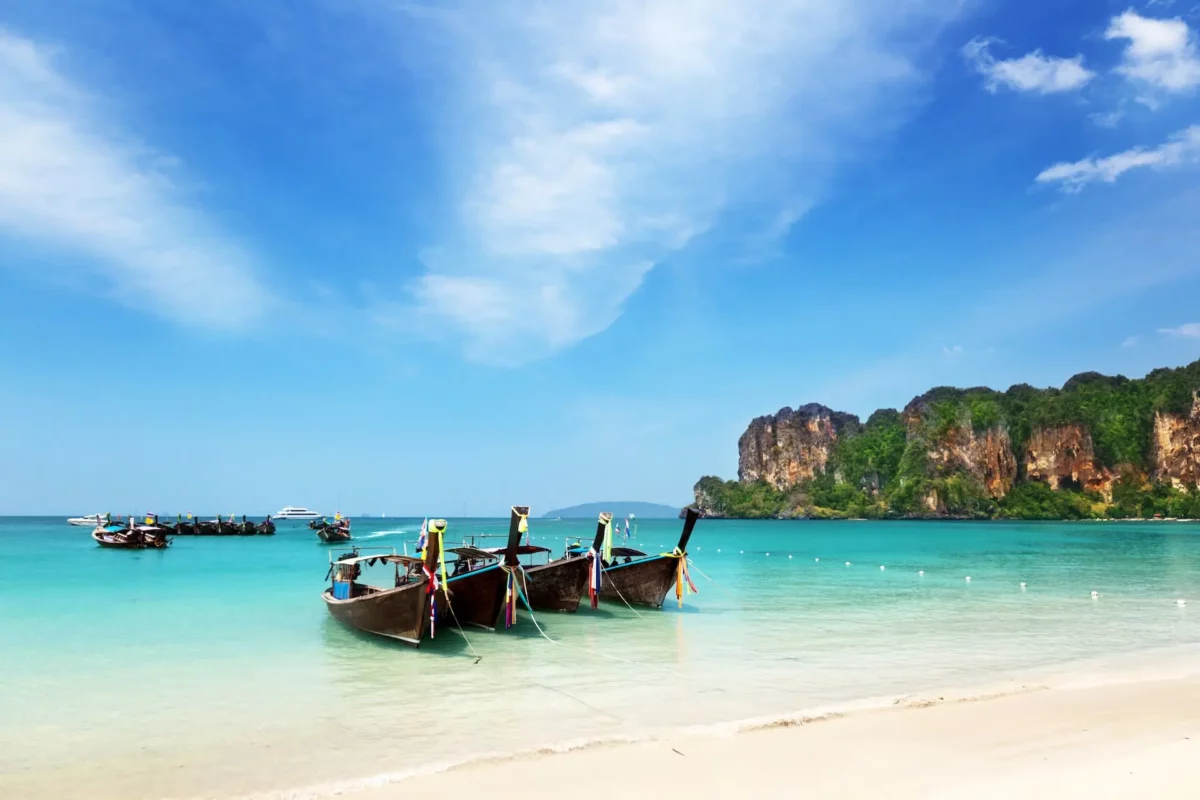
Starting Out in Thailand
Moving to Thailand requires more than a suitcase. In 2023, roughly 10,000 foreigners relocated there yearly, each facing visa forms, housing hunts, and cultural shifts. Bangkok’s rental market ranges from $300 to $1,200 monthly for decent options, depending on location. Chiang Mai offers lower costs but a slower pace. Getting a handle on these basics shapes your early experience.
Life here surprises most newcomers—crowded markets, motorbike traffic, and endless street food options frame daily routines. Yet understanding the essentials like visa lengths or local transportation can sidestep many headaches.
Common Pitfalls and Missteps
Many assume they can stay on a tourist visa indefinitely, which leads to costly border runs and fines soon after. Others underestimate living expenses outside tourist hotspots and quickly burn through savings. The gap between expectations and reality often shows up in missed deadlines for visa extensions or overstaying by a few days.
People also overlook local customs that affect daily life, such as language barriers in rural areas or the cash-focused economy outside urban centers. Failing to plan for healthcare or insurance can leave expats vulnerable. When legal requirements get ignored, a pleasant stay turns stressful fast.
Visa Options and Rules
Tourist Visa
This visa lets you stay 60 days, extendable once by 30 days at Thai immigration offices. Many fly out nearby (Vientiane or Kuala Lumpur) to reset clock, but the process grows tedious after multiple runs. The sticker costs about $40 initially.
Non-Immigrant Visa
Designed for long stays, often valid for 90 days with extensions. Non-Immigrant ""O"" suits retirees, ""B"" fits business travelers. Proof of income or Thai bank balance (at least 800,000 baht or $22,500) often required for retirees, plus health insurance in some provinces.
Elite Visa
Thailand Elite offers 5 to 20-year visas for $15,000 to $60,000 upfront. It includes perks like airport fast-track and unlimited entry. While pricey, it eliminates visa renewals hassles, appealing to those with long-term plans.
Work Permits
Necessary if you plan to work locally. Employers apply, requiring a Non-Immigrant B visa first. Work permits limit job fields and often depend on quotas; you can’t change employers without a new permit. Expect around $100–$200 in processing fees.
Retirement Visa
Available if you’re over 50, proving stable income or savings. You must show an income of 65,000 baht monthly ($1,900) or savings of at least 800,000 baht. You report quarterly to immigration, which some find tedious.
Extension and Overstay
Avoid overstaying; daily fines start at 500 baht ($15). Extensions require visits to immigration offices, queues, and paperwork. Plan carefully; lost days mean chaos.
Cost and Lifestyle Tips
Housing and Rent
Rent consumes about 30–40% of your budget. A one-bedroom apartment in central cities averages 10,000 baht ($300) monthly. Outside cities, prices drop by half. Utilities vary but usually add 1,000–2,500 baht monthly.
Food and Groceries
Street food dominates for locals and expats alike. Meals cost 40–80 baht ($1–2.50), while supermarket items (especially imported ones) can inflate bills. Weekly markets provide fresh produce cheaply.
Transportation
Public buses and MRT/BTS in Bangkok offer cheap rides; daily costs rarely exceed 50 baht. Taxis and motorbike taxis cost more but remain affordable. Renting or buying scooters is common in smaller cities.
Healthcare
Private hospitals in Thailand often beat Western countries on cost and quality, but premiums for expats start around $1,000 yearly. Emergency care runs higher, so comprehensive health insurance is logical.
Connectivity
Mobile internet is fast and cheap; providers like AIS and True offer unlimited data for about 500 baht monthly. Wi-Fi access is widespread, so you rarely lack connection.
Daily Life and Culture
Adjusting to temple holidays, Thai New Year (Songkran), and social norms takes time. Cash remains king in many places, with limited card acceptance outside urban malls.
Language
Basic Thai phrases ease interactions, but English is widely understood in tourist areas. Apps like Google Translate (v13.4) prove invaluable in remote locations.
Practical Cases
Emma moved from London to Chiang Mai in mid-2022. She used a Non-Immigrant O visa and rented a studio for 8,500 baht monthly. By budgeting street food and a scooter, her monthly expense stayed under $750. She extended her visa twice without issue.
Mark, a software consultant, chose the Elite Visa for convenience despite its cost. He credits it for saving time—""waiting in immigration lines is a headache,"" he says. His stay exceeds 3 years, and his upfront investment felt reasonable compared to repeated visa fees and flights.
Visa and Costs Table
| Visa Type | Duration | Cost (USD) | Key Requirement |
|---|---|---|---|
| Tourist | 60-90 days | 40-70 | Proof of funds |
| Non-Immigrant O | 90 days+extension | 80-120 | Income proof |
| Elite | 5-20 years | 15,000-60,000 | Upfront payment |
| Retirement | 1 year | 60-100 | Age 50+, funds |
Top Mistakes to Dodge
Starting without visa prep trips many up. Ignoring renewal dates leads to fines. Thinking all areas accept cards restricts spending options. Missing proof of income stops visa approval. Skipping health insurance invites risk. Overpaying for imported groceries busts budgets. Underestimating queues at immigration increases stress.
Avoiding these needs attention to deadlines, paperwork, and local buying habits. Double-check embassy sites before travel; info changes often, sometimes without much fanfare.
FAQ
Can I work on a tourist visa?
No. Employment requires a Non-Immigrant B visa and valid work permit. Working on a tourist visa is illegal and leads to penalties.
How much money do I need to prove for a retirement visa?
Evidencing 800,000 baht in savings or a monthly income of 65,000 baht meets the requirement for retirees.
Is Thailand Elite Visa refundable?
No. The payment is non-refundable, but it grants multiple entry privileges and extended stays.
What happens if I overstay my visa?
Daily fines start at 500 baht per day. Severe cases may lead to blacklisting or deportation.
Can I extend my tourist visa inside Thailand?
Yes, you can extend once by 30 days at immigration offices, but no multiple extensions without leaving.
Author's Insight
Having lived in Thailand since early 2021, I’ve found that patience with bureaucracy pays off. The visa system feels opaque until you work through it yourself, then some patterns emerge. Planning your budget tightly helps, but expect little surprises—public holidays, unplanned trips to immigration, or language quirks. Forgetting small details like cash availability or timely visa renewal can disrupt a stay quickly.
Final Thoughts
Relocation to Thailand blends legal paperwork with cultural shifts. Start by selecting the correct visa for your stay length and purpose. Budget realistically for rent, food, and healthcare to maintain comfort without surprises. Avoid overstaying by tracking dates, and prepare for language gaps with apps or local contacts. A cautious, informed approach turns the move into a rewarding adventure rather than a scramble.