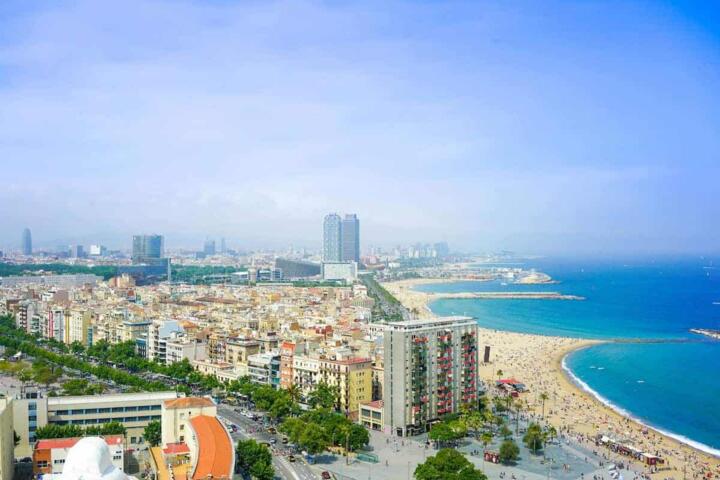
The Evolution of Bali
Bali has transitioned from a budget backpacker's secret to a sophisticated global tech hub. In 2026, the island isn't just about cheap surf shack vibes; it’s about high-speed Starlink integration, premium co-working spaces like Outpost and BWork, and a diverse culinary scene that rivals Singapore or London. The charm remains, but the financial entry point has shifted significantly toward a mid-tier global city.
For example, in 2019, a luxury villa in Canggu might have cost $800 USD per month; today, that same property, buoyed by the popularity of the Pererenan extension, commands $1,800 to $2,400 USD. Data from local property aggregators shows a 15% year-on-year increase in rental prices in the "Kuta-Canggu-Uluwatu" golden triangle. However, the value proposition still holds when you consider that a similar lifestyle in San Francisco or Sydney would cost three times as much.
Real-world stats from 2025-2026 indicate that over 65% of nomads now opt for "Long-Stay" kits, which bundle scooter rentals, gym memberships at Body Factory, and laundry services. This shift towards subscription-based living helps mitigate the "tourist tax" that many newcomers face when paying daily rates for services that locals and savvy expats secure at monthly discounts.
Financial Pitfalls
The biggest mistake modern nomads make is "lifestyle creep" coupled with poor currency management. Relying on standard Western bank cards for daily transactions leads to a 3-5% loss on every dollar due to poor exchange rates and ATM fees. Many also fail to distinguish between "Tourist Bali" prices and "Resident Bali" prices, often overpaying for accommodation by booking through international platforms like Airbnb instead of local agents.
Ignoring the complexity of the new Golden Visa and E33G (Remote Worker) visa categories is another critical error. Those who continue to "visa run" on standard 30-day permits find themselves paying more in flights and last-minute agency fees than they would have spent on a legitimate one-year stay permit (KITAS). This lack of planning leads to legal instability and unexpected "exit fees" that drain savings rapidly.
The consequences are felt in the mid-term: nomads find their "cheap" Indonesian life costing nearly $3,000 a month, leaving them with no more savings than if they had stayed in their home country. This financial drain is often the result of eating exclusively at "Instagrammable" cafes in Seminyak where a single avocado toast and coffee can reach $15—the same price as in Manhattan.
Strategic Budgeting
Mastering the New Visa Landscape
In 2026, the E33G Remote Worker Visa is the gold standard. It allows legal residence without the need for a local company sponsor, provided you earn a minimum threshold. This works because it eliminates the $50-100 monthly cost of "Visa-on-Arrival" extensions and the stress of monthly immigration visits. Using services like Let's Move Indonesia or Bali Solve ensures compliance and saves roughly 40 hours of administrative work per year.
Optimizing Housing and Location
To keep costs low, move 15 minutes inland. While Berawa and Pererenan are at peak pricing, areas like Kediri (near Tanah Lot) or the foothills of Gianyar offer 40% lower rents with the same high-speed fiber internet. A 2-bedroom villa in Cepaka currently goes for $1,200, whereas the same villa in central Canggu is $2,800. Use Facebook Groups and WhatsApp circles rather than Airbnb for rentals longer than 30 days.
Transport and Safety Logistics
Don't rent a scooter daily. A monthly rental for a NMax or PCX should cost around $120-150. More importantly, invest in high-quality health insurance like SafetyWing or Genki that specifically covers scooter accidents. In 2026, medical evacuations from Bali to Singapore can cost upwards of $40,000—an expense that turns a "cheap" stay into a financial disaster instantly if you are uninsured.
Eating Like a Local Professional
Utilize the "Warung Lifestyle" for lunch and save the Western cafes for dinner. A "Nasi Campur" at a clean, high-end warung like Warung local costs $3-5, while a meal at Mason or Skool Kitchen will be $40+. By balancing these, you can keep your daily food spend under $25 while still enjoying the world-class dining Bali is famous for. Digital nomads often use the GoJek or Grab apps for food delivery, which frequently offer "Sub-Discounts" for frequent users.
Coworking and Networking Costs
Instead of working from cafes where you are pressured to buy a $4 latte every hour, invest in a dedicated membership. Spaces like Tropical Nomad or Zin Cafe offer monthly packages for around $150. This provides reliable back-up power (essential during Bali’s occasional outages) and a community of high-earners, which often leads to "ROI through networking" that offsets the membership cost.
Nomad Success Stories
The Freelance Designer Case
Sarah, a UI/UX designer from Berlin, moved to Ubud in early 2025. Initially, she spent $3,200/month living in a boutique hotel and eating out. After three months, she moved to a long-term studio in Penestanan, switched to a monthly NMax rental, and joined a coworking space. Her monthly spend dropped to $1,950, while her productivity increased due to a stable routine. She saved over $15,000 in her first year.
The SaaS Startup Team
A small team of three developers relocated from London to a "Coliving" villa in Uluwatu. By sharing a 3-bedroom villa for $3,500 total ($1,166 each) and hiring a local cook for $400/month to prepare healthy meals, they reduced their individual living costs by 60% compared to London. They reported that the "community effect" of being in the Uluwatu surf/tech scene helped them scale their revenue to $20k MRR within six months.
2026 Cost Comparison
| Expense Category | Budget Tier (USD) | Mid-Range Tier (USD) | Luxury Tier (USD) |
|---|---|---|---|
| Monthly Rent (1BR) | $600 - $900 | $1,200 - $2,000 | $3,500+ |
| Scooter + Fuel | $100 | $160 | $300 (Car) |
| Food & Drink | $450 | $900 | $2,000+ |
| Coworking/Internet | $0 (Home) | $150 | $250 (Private Office) |
| Visa & Admin | $50 | $120 | $300 (Golden Visa) |
| Total Monthly | $1,200 - $1,600 | $2,530 - $3,330 | $6,350+ |
Common Traps to Avoid
Avoid renting scooters without an International Driving Permit (IDP) and a proper motorcycle endorsement. Police checkpoints have become significantly more frequent in 2026, and fines are high. More importantly, insurance companies will deny claims if you are riding illegally. Always check your policy's fine print.
Do not rely on public Wi-Fi for sensitive work. While Bali’s infrastructure has improved, the rise in cyber-tourism has led to increased "Man-in-the-Middle" attacks at popular cafes. Use a VPN (NordVPN or ExpressVPN) and consider a local Telkomsel Orbit portable modem as a backup for your villa, as fiber cuts due to construction are still common.
Another error is neglecting the "Banjar" (local community) relations. If you are staying in a private villa, introduce yourself to the local head. Respecting ceremonies and local "Nyepi" (Day of Silence) rules isn't just about being a good guest—it’s about security. Those who integrate well are far less likely to deal with theft or neighborhood disputes.
FAQ
Is $1,500 enough to live in Bali in 2026?
Yes, but you will need to live outside the main hubs like Canggu or Uluwatu. You would stay in local-style guesthouses (Kost) and eat primarily at local warungs. It offers a comfortable lifestyle compared to the West, but not a "luxury" one.
Which area is the cheapest for nomads?
Amed on the East Coast and Lovina in the North remain significantly cheaper (30-50% less) than South Bali. These areas now have stable fiber internet, making them viable for focused deep-work stints.
Do I need a special visa to work remotely?
Yes, the Indonesian government has cracked down on people working on tourist visas. The E33G Remote Worker Visa or a Business KITAS are the legal pathways for 2026. Working on a VOA can lead to deportation.
What is the biggest hidden cost?
Alcohol. Due to high import taxes, spirits and wine are very expensive. A bottle of mid-range Australian wine can cost $30 in a shop. Switching to local Bintang beer or avoiding alcohol significantly lowers your monthly spend.
How is the medical care in Bali?
Excellent for minor issues. Hospitals like BIMC and Siloam are international standard. However, for complex surgeries, most expats still prefer flying to Singapore, which is why comprehensive international insurance is non-negotiable.
Author’s Insight
I have lived and worked from Bali on and off for seven years, and I’ve watched it evolve from a $30-a-day paradise to a professional global hub. My biggest piece of advice for 2026 is to stop treating Bali like a vacation and start treating it like a strategic base. If you spend your time in "Expat Bubbles," you will pay European prices. If you take the time to learn basic Bahasa Indonesia and venture 5km outside the main tourist zones, the "Cheap Bali" of the past still exists—it just requires more effort to find.
Summary
Bali in 2026 is no longer the "bottom-dollar" destination it once was, but it remains one of the best value-for-money locations in the world for digital nomads. While rent and dining in southern hubs have increased, the infrastructure, community, and quality of life far exceed what is available elsewhere for the same price. To succeed financially, secure a legitimate long-term visa, move slightly inland, and balance your lifestyle between local culture and modern amenities. The "Island of the Gods" is still a paradise, provided you approach it with a realistic budget and a professional mindset.