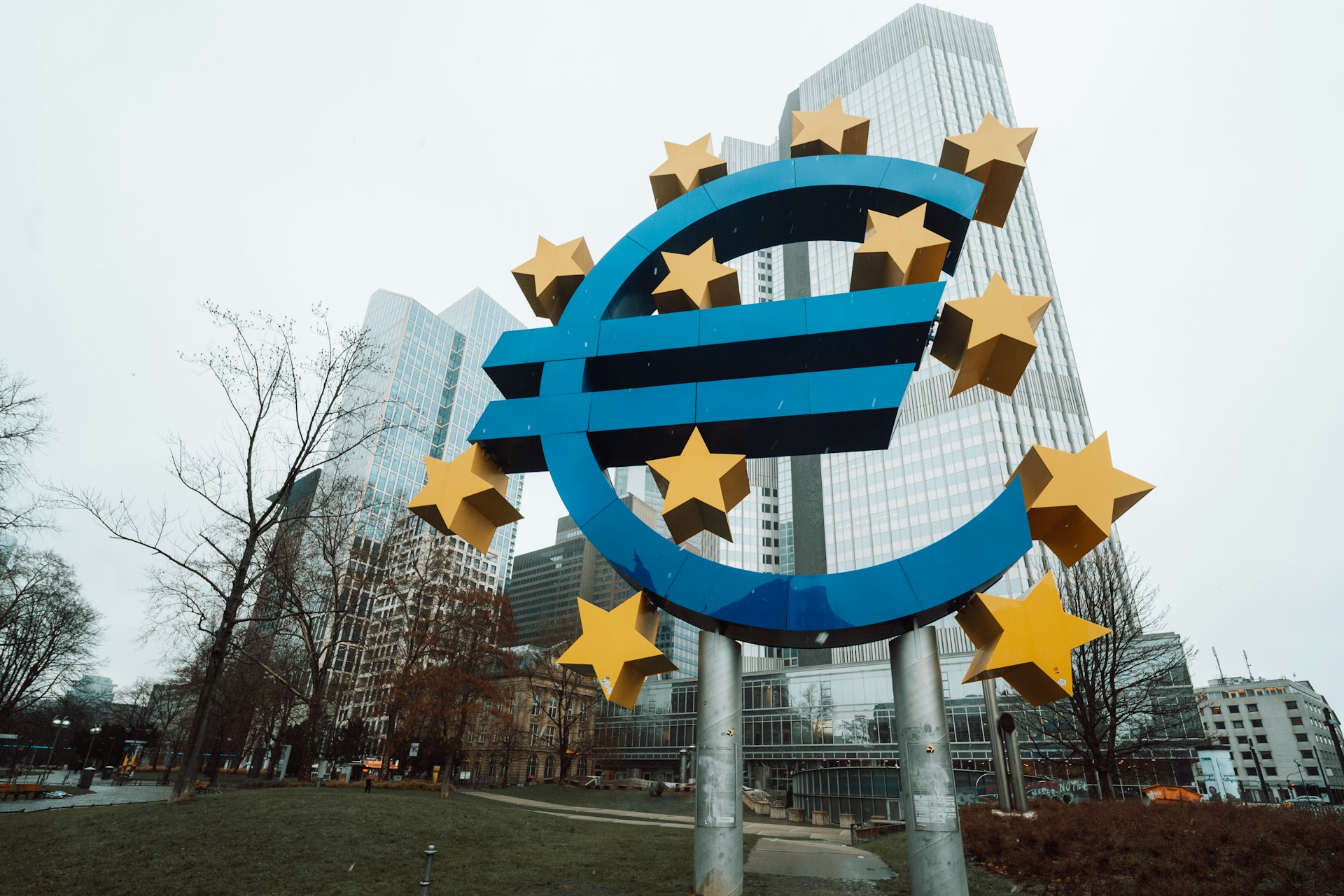
Understanding Inflation Impact
Inflation in EU countries averaged around 7.0% in 2023, though rates vary significantly from state to state. Rising prices erode purchasing power, meaning fixed budgets need adjustment to maintain lifestyle or operational levels. For example, a German household with a monthly grocery budget of €400 must allocate about €28 more to cover the same goods as last year. Businesses face similar pressures on supply chain costs and wages.
Ignoring inflation can rapidly unbalance household or corporate finances. A static budget built without inflation in mind loses relevance typically within months. Core expenses like energy, food, and transportation often increase faster.
Adjusting your budget means recalculating known costs with inflation factors and watching economic indicators like harmonized consumer price indexes (HICP) published monthly by Eurostat. Planning ahead is vital to avoid shortfalls.
Expecting average inflation rates to stay around 5% in the near term, budgets must reflect realistic growth rather than wishful stability.
Budgeting Challenges
One widespread error is relying on last year’s nominal expenses without inflation correction. People tend to underestimate necessary increases or skip recalculations. This leads to underfunding essential categories and scrambling for funds later.
Next, many underestimate how inflation skews not only current expenses but future commitments. Long-term expenses like mortgages or service contracts signed before inflation spikes may become undervalued.
In business, failure to renegotiate contracts or adjust pricing can wreck profit margins quickly. For instance, small retailers might miss necessary price hikes, absorbing unexpected cost surges unknowingly.
Consequences include growing debt, credit reliance, or cutting spending, which affects quality of life or business growth. Without active budget review cycles, risks multiply silently.
Effective Budget Adjustments
Track Real-Time Inflation Data
Use Eurostat’s HICP monthly reports or the European Central Bank inflation dashboard to get updated inflation trends. These tools break down inflation by country and category, enabling precise forecasting. For example, knowing that Italy’s energy prices rose 15% last quarter helps reallocate energy budgets effectively.
Recalculate Fixed Costs Quarterly
Update recurring costs quarterly, not yearly. This matches price movement better and reduces shocks. Create a spreadsheet tracking last paid amounts versus current estimated inflation-adjusted cost. Google Sheets with inflation rate plugins works well. Savings accounts with 2%-3% yields won’t cover rising costs, so recalibrate often.
Adjust Wages or Income Projections
Apply inflation factors to anticipated income growth. For employees in EU with collective bargaining agreements, inflation-linked wage increases may be locked in. Freelancers and business owners can forecast income with built-in inflation margins—for example, planning 8% revenue increase to match 7% inflation and 1% real growth.
Prioritize Inflation-Sensitive Expenses
Identify budget lines most impacted by inflation: utilities, food, fuel, housing. Monitor polls or governmental reports on upcoming tax changes or subsidies that affect prices. Adjust these categories first while limiting discretionary spending growth.
Use Inflation-Proof Savings Instruments
Invest in EU inflation-linked bonds or real estate funds with historical 3%-6% annual gains above inflation. The German Bund inflation-indexed securities (linkers) or French OATi bonds are examples. Even modest allocations reduce erosion of cash reserves.
Negotiate Contracts for Flexibility
Lock in contracts with inflation adjustment clauses to share cost changes fairly. For services or leases, adding CPI-linked review terms prevents losses. Many businesses overlook contract updates and face unexpected costs. It takes a few calls, but pays off.
Adopt Dynamic Expense Thresholds
Instead of fixed spending limits, create flexible thresholds tied to inflation targets. For groceries, if inflation hits 7%, increase budget proportionally; if prices fall or stabilize, adjust back down. This method suits families and SMEs alike.
Explore Energy Efficiency Upgrades
Energy price inflation often outpaces other sectors. Investing in insulation, LED lighting, or smart thermostats cuts future bills. Germany’s KfW loan programs provide low-interest support for such upgrades. This reduces dependency on volatile energy markets.
Leverage Budgeting Software
Apps like YNAB or Mint do not include automatic inflation adjustments, so integrate manual inflation rates during budget updates to track real costs accurately. Don’t expect auto inflation fixes—it's a user task.
Practical Examples
A medium-sized café in Paris faced a steep 10% increase in ingredient costs in 2023. They recalculated menu prices quarterly based on inflation data, communicating transparently to customers. Result: revenues rose 12%, margins stayed stable despite inflation.
A retired couple in Spain updated their fixed income budget semi-annually using the ECB inflation summary. They shifted some savings into inflation-linked bonds. After a year, their adjusted budget covered a 6% rise in living costs without dipping into capital.
Checklist for Inflation-Ready Budgets
| Step | Action | Frequency | Tools |
|---|---|---|---|
| 1 | Monitor national inflation stats | Monthly | Eurostat, ECB dashboards |
| 2 | Adjust fixed expenses using inflation | Quarterly | Spreadsheet, budget app |
| 3 | Negotiate inflation clauses | Annually | Legal advisor, contract reviews |
| 4 | Invest in inflation-protected assets | Ongoing | Bonds, real estate funds |
| 5 | Review income forecasts with inflation | Semi-annual | Financial planning software |
Errors and How to Fix
Failing to adjust income projections while increasing expenses creates deficits fast. Always match income rise expectations to inflation or more.
Blindly applying national average inflation to local costs distorts budgets—you need region-specific rates. Paris inflation may differ from rural Poland by several points.
Neglecting small recurring costs, such as subscription fees or maintenance, adds up. These often see discrete but predictable increases.
Relying on credit to cover budget gaps is a trap that grows fast with rising interest rates, common in inflation cycles.
FAQ
How often should I review my budget for inflation?
Quarterly reviews capture price shifts without causing excessive workload. Adjusting fixed expenses at that pace smooths surprises.
Which expenses rise fastest in the EU?
Energy and food prices typically increase faster than average inflation. Transport and housing costs fluctuate but strongly affect budgets as well.
Are EU inflation rates the same everywhere?
No. Southern and Eastern Europe often see higher rates due to different economic and energy dependency factors compared to Northern countries.
Can inflation outpace wage increases?
Yes. In 2023, average wage growth in many EU countries lagged behind inflation by 1–3 percentage points, reducing real incomes.
What investments protect against inflation?
Inflation-linked bonds and real estate funds tend to maintain value, while cash and standard bonds lose real value.
Author's Insight
Working with EU budgets over the past decade has taught me how fragile fixed spending plans become under inflation pressure. I regularly monitor Eurostat’s HICP updates to keep forecasts aligned. On a smaller scale, adjusting personal budgets mid-year avoids tight months. Many overlook contract clauses linking payments to inflation, a simple yet neglected safeguard I try to explain everywhere. Balance is tricky, but tools like Google Sheets combined with official inflation feeds reduce guesswork and prevent financial stress.
Key Takeaways
Ignoring inflation leads to budget shortfalls as prices rise unpredictably. Adjust budgets quarterly using official inflation data for both expenses and income. Prioritize inflation-sensitive categories and include inflation-linked investments to protect wealth. Don’t skip contract reviews or regional rate variations. Regular recalibration preserves purchasing power and financial stability in fluctuating EU economies.