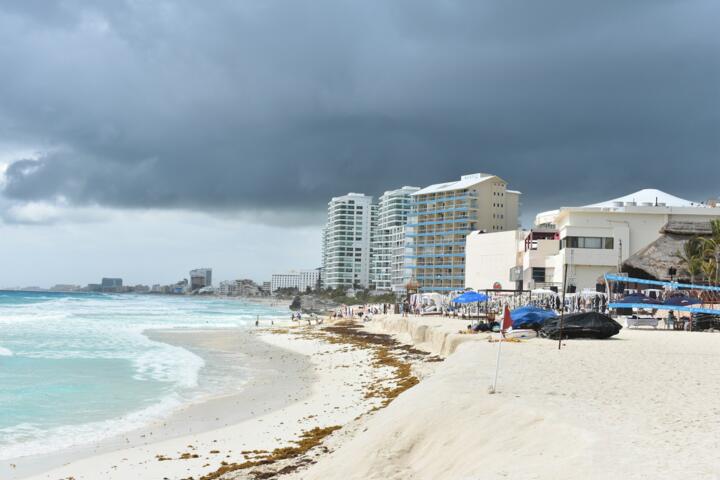
Cost Differences by Region
Understanding Mexico's varied geography reveals wide gaps in living expenses. Coastal cities such as Puerto Vallarta or Playa del Carmen experience higher costs, especially for housing and imported goods. Contrastingly, highland areas like San Miguel de Allende or Oaxaca typically offer lower rents and fresher local produce, reflecting in monthly budgets that sometimes vary by 30% or more.
For example, a two-bedroom apartment on the coast averages around $700 USD per month, while the highlands can offer similar accommodations for $400–$500.
Travel logistics also differ: coastal regions often depend on road transport and tourism-linked pricing, while highland towns benefit from local agriculture and closer supply chains.
Just consider how energy consumption shifts by altitude and temperature, impacting utility bills.
Common Cost Misunderstandings
Many newcomers assume coastal living in Mexico is affordable because of low general prices. However, this overlooks peak-season price surges for rentals and services catering to tourists. Ignoring fluctuating electricity rates—often higher along the coast due to humidity-dependent cooling—can also inflate monthly costs.
Another misconception involves food. Coastal seafood seems cheaper, but imported staples and dining out can quickly push expenses above those in the highlands, where local vegetables thrive year-round.
People underestimate the health-related expenses too; coastal humidity can lead to higher air-conditioning use or occasional treatment costs.
Sharp exchange rate shifts can create surprises, especially for retirees relying on fixed pensions.
Tips for Managing Costs
Choose Season Wisely
Evade high tourist seasons on the coast to find better deals in lodging and markets. For instance, renting in Playa del Carmen drops 20–40% from May to November, balancing climate discomfort against savings.
Negotiate Rent Contracts
Long-term leases often unlock discounts of up to 25%, particularly in inland towns. Services like Airbnb can help scout properties beforehand, but don’t rely solely on listing prices.
Source Local Produce
Highland markets like those in Oaxaca offer abundant fresh produce, cutting food bills by nearly 35% compared to coastal supermarkets. Cooking at home using local ingredients saves significantly versus frequent restaurant meals.
Use Solar or Efficient Energy
Coastal heat demands more cooling, but modest solar panel installations around 1.5 kW reduce electric bills by up to 50%. AltaSolar and local installers deliver reliable packages under $1500 USD.
Consider Water Supply Costs
Coastal zones sometimes require bottled or tanked water, adding $30 monthly; highland areas benefit from more stable municipal water. Budget accordingly.
Healthcare Choices Matter
Private clinics on the coast often cost 20–30% above highland facilities offering equivalent care. Mexican Social Security Institute (IMSS) membership provides another cost control method.
Transportation Savings
Public transit in cities like Guadalajara—a typical highland example—costs $0.50 one way. Coastal taxi rides start near $3 and climb with distance, which can add up quickly for commuters.
Shop Secondhand
Both regions host vibrant resale markets, but coastal areas tend to price items closer to tourist rates; highland cities have more local bargaining culture on good-condition goods.
Plan Internet and Phone
High-speed internet ranges $25–$40 depending on provider and location, with coastal providers sometimes charging more for reliability—sometimes, sadly, you get less.
Real Cost Examples
The Smith family moved to Puerto Escondido in 2022. They found a three-bedroom rental for $850 monthly during high season but signed a lease for $650 off-season. With solar panels installed, their utility expenses dropped from $120 to $60 monthly within six months.
Meanwhile, Julia works remotely from San Cristobal de las Casas in Chiapas. Her rent costs $450, groceries weekly are roughly $35, and she uses public transport for $10 a week. Her health insurance through IMSS costs her about $25 a month, totaling near $650 for basic living costs.
Cost Comparison Overview
| Category | Coastal | Highland | Notes |
|---|---|---|---|
| Rent (2BR) | $650–$750 | $400–$500 | Season affects prices |
| Groceries (weekly) | $45–$60 | $30–$40 | Local markets cheaper inland |
| Electricity (monthly) | $80–$120 | $40–$60 | Cooling drives costs coastal |
| Health Care | $50–$80 | $30–$50 | Private clinics pricier coast |
| Internet | $30–$40 | $25–$35 | Varies by provider quality |
Pitfalls to Avoid
Overestimating coastal affordability leads to budget shortfalls when high-season tariffs hit. Many overlook utility spikes, assuming flat rates, which, frankly, most people skip verifying.
Failing to secure long-term housing contracts can inflate rent by 30% or more, especially where tourist demand dominates. Ignorance of local market pricing causes overspending on food, often by picking expensive supermarkets.
Ignoring health insurance or not registering with IMSS risks unexpected medical bills that can double monthly expenses.
Lastly, relying on just one transportation mode, like taxis, can quietly drain funds; mixing bikes, buses, and occasional taxis works better.
FAQ
Is healthcare cheaper inland?
In most cases, yes. Highland clinics and hospitals often charge 20–30% less for similar services compared to coastal private facilities.
Does rent fluctuate much by season?
Coastal rents vary significantly, sometimes 30–40% between high and low seasons; highlands tend to stay stable year-round.
Can solar power reduce bills?
Yes, especially on the coast where cooling is necessary year-round. A small solar setup can cut electricity costs by half.
Are grocery prices very different?
Local produce pricing inland is typically 25–35% lower due to proximity to farms and reduced transportation costs.
Is public transport affordable everywhere?
Public transport costs less inland than on the coast, especially in tourist-heavy cities where taxis or ride-shares dominate.
Author's Insight
Living both on the Pacific coast and later in the highlands offered me first-hand views of cost contrasts. The coastal humidity pushes electricity and water bills higher than you'd expect. I learned the hard way to negotiate rent for better deals and never trust seasonal prices listed online. Local markets inland consistently saved me money without giving up quality or variety.
Summary
Cost of living in Mexico varies drastically with geography. Coastal life demands higher budgets, especially in peak season, due to rent, utilities, and tourism-driven prices. Highland towns offer cheaper housing, fresh local food, and lower utilities but can lack some coastal amenities. Planning budgets around rent negotiation, seasonal shopping, solar energy, and local healthcare access yields the best results. Spend some time assessing your lifestyle needs before committing.